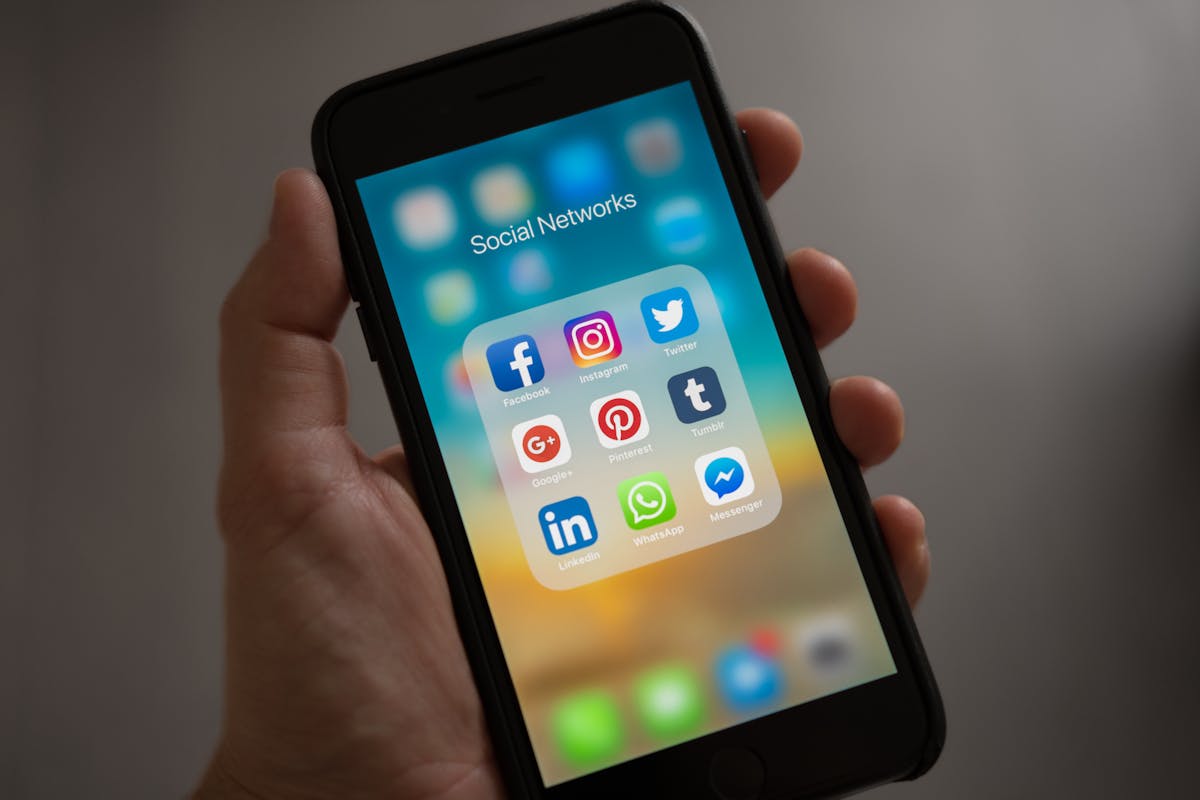
Social media promises connection but often delivers distraction, comparison, and time waste. The average person spends over two hours daily scrolling through feeds, time that could support personal growth, relationships, or meaningful activities. Taking control of social media use improves mental health, productivity, and overall life satisfaction.
Understanding the Problem
Social media platforms engineer addictive experiences using psychological techniques including infinite scroll, variable rewards, and social validation through likes and comments. These design patterns exploit human psychology, making platforms difficult to put down even when we want to stop using them.
Excessive use correlates with anxiety, depression, and reduced life satisfaction. Constant comparison with curated highlights from others' lives creates unrealistic expectations and diminished self-worth. Notification interruptions fragment attention, reducing productivity and increasing stress levels throughout the day.
Assessing Your Usage
Track your actual social media time using built-in screen time tools on smartphones. Many people underestimate their usage significantly. Identify patterns like habitual checking upon waking, while eating, or before bed. Notice emotional triggers that prompt social media use, such as boredom, stress, or loneliness.
Evaluate what value social media provides versus costs in time and wellbeing. Some usage serves genuine purposes like maintaining distant relationships or professional networking. Much usage is mindless habit providing little actual benefit. Distinguishing intentional from compulsive use guides reduction strategies.
Practical Reduction Strategies
Delete Apps from Phone
Removing social media apps from smartphones eliminates mindless checking. You can still access platforms through web browsers when intentionally choosing to do so, but increased friction reduces impulsive usage. This single action can reduce daily usage by hours for heavy users.
Disable Notifications
Turn off all social media notifications to prevent constant interruptions. Check platforms on your schedule rather than responding to every ping. This simple change significantly reduces anxiety and improves focus on important tasks. Most notifications aren't urgent and can wait hours or days.
Designated Social Media Time
Schedule specific times for social media use rather than allowing it throughout your day. For example, limit checking to once during lunch and once in evening. Use timers to prevent scheduled sessions from expanding. This structure maintains connections while preventing excessive use.
Content Curation
Unfollow accounts that trigger negative emotions, promote unhealthy comparison, or provide little value. Following fewer, higher-quality accounts improves your experience when you do use platforms. Curated feeds take less time to check while providing better content.
Replacement Activities
Identify alternative activities for time previously spent scrolling. Reading books, exercising, practicing hobbies, or simply being present without stimulation all provide more satisfaction than endless scrolling. Keep a list of alternatives nearby for moments when you feel compelled to check social media.
Real-world social interaction, even brief conversations with neighbors or cashiers, provides genuine connection that social media cannot replicate. Prioritize in-person relationships and direct messaging over broadcast updates and likes.
Dealing with FOMO
Fear of missing out drives excessive social media checking. Recognize that you'll miss things whether on social media constantly or not. Important news reaches you through multiple channels. Missing trending memes or viral content doesn't actually impact your life negatively.
After initial detox period, FOMO typically decreases significantly as you realize how little you actually missed that mattered. The anxiety about missing out often exceeds any real loss from reduced usage.
Professional Social Media Use
Some careers require social media presence. Create boundaries between professional and personal use. Use separate accounts, devices, or scheduled work hours for professional social media activities. Tools like scheduling software allow maintaining presence without constant personal engagement.
Family and Friends
Communicate your detox goals with close contacts. Provide alternative contact methods like phone calls or messaging apps. Most meaningful relationships can maintain or strengthen through more direct communication channels. Consider if social media connections are real relationships or merely acquaintanceships requiring no maintenance.
Gradual vs Complete Detox
Some people benefit from complete breaks, deleting accounts and avoiding platforms entirely. Others prefer gradual reduction, establishing healthy boundaries without total elimination. Choose approaches matching your personality and circumstances. What matters is reducing usage to levels that serve rather than consume you.
Trial periods help determine what works best. Try one week without social media, noting changes in mood, productivity, and relationships. Use insights to design sustainable long-term approach.
Maintaining Progress
Establish new habits slowly, as behavior change requires time and repetition. Expect setbacks and moments of returning to old patterns. What matters is overall trajectory rather than perfect execution. Regular self-assessment helps identify when usage creeps back toward unhealthy levels.
Celebrate improvements in focus, mood, productivity, and relationships. These positive changes reinforce new habits and motivate continued progress. Share experiences with others attempting similar changes, as community support aids long-term success.
Conclusion
Social media detox isn't about complete technology rejection but rather intentional use that serves your goals and wellbeing. Reclaiming time and attention previously lost to mindless scrolling opens possibilities for more fulfilling activities and deeper connections. The initial challenge of breaking habits gives way to improved mental health, productivity, and life satisfaction. Your attention is valuable, protect it carefully from platforms designed to capture and monetize it without your conscious consent.