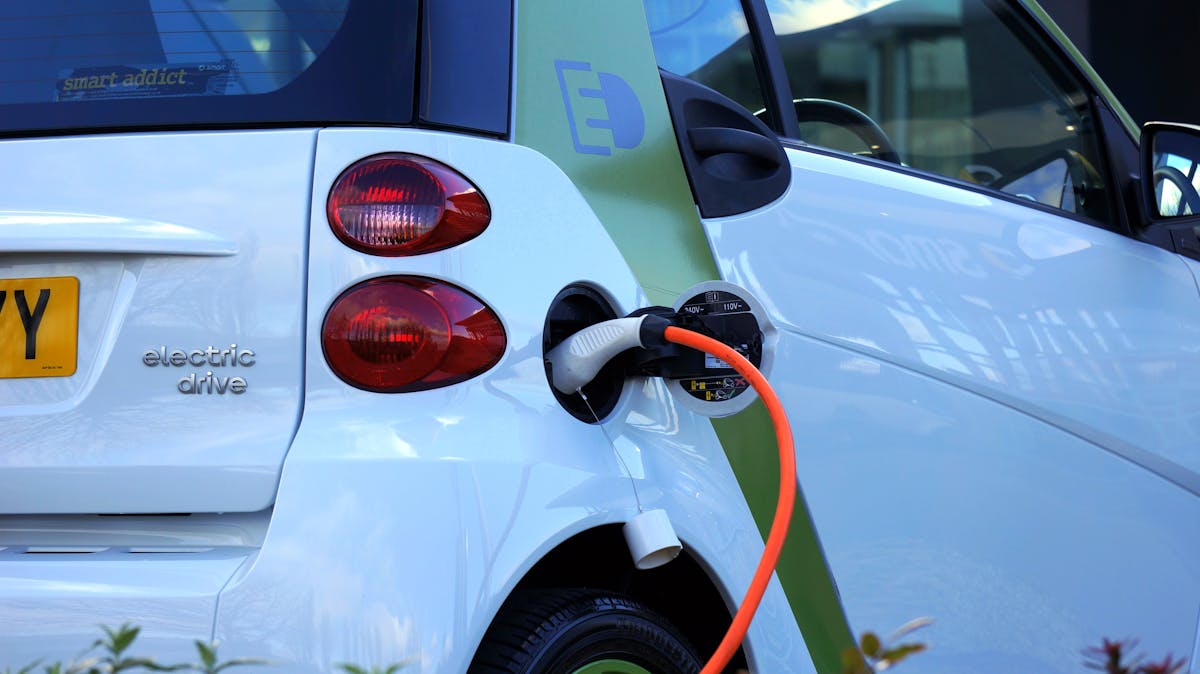
Electric vehicles have evolved from niche products to mainstream transportation options. With improving technology, expanding charging infrastructure, and increasing model variety, 2025 is an excellent time to consider making the switch. This comprehensive guide covers everything potential buyers need to know about electric vehicle ownership.
Understanding Electric Vehicle Technology
Modern electric vehicles use lithium-ion battery packs to store energy and electric motors to drive the wheels. Unlike traditional vehicles with hundreds of moving parts in their engines and transmissions, EVs have relatively simple drivetrains with far fewer components. This simplicity translates to lower maintenance costs and improved reliability over the vehicle's lifetime.
Battery technology has advanced significantly in recent years. Current EVs offer ranges from 200 to over 400 miles on a single charge, with some luxury models exceeding 500 miles. Battery degradation, once a major concern, has proven minimal in real-world use, with most batteries retaining over 90 percent capacity after five years of regular use.
Types of Electric Vehicles
Battery Electric Vehicles
Pure EVs run entirely on electricity with no gasoline engine. They offer zero emissions, lowest operating costs, and optimal performance. These vehicles require charging infrastructure but provide the most environmental benefits.
Plug-In Hybrids
PHEVs combine an electric motor with a gasoline engine, offering electric-only range for daily driving and gasoline backup for longer trips. They serve as a transitional option for those concerned about charging availability but want electric benefits.
Extended Range EVs
Some manufacturers offer EVs with small gasoline generators that charge the battery when depleted, extending overall range. These provide EV driving experience with reduced range anxiety.
Charging Infrastructure and Home Setup
Understanding charging is crucial for EV ownership. Most charging happens at home, making residential charging infrastructure a primary consideration. Level 1 charging uses standard household outlets, adding 3-5 miles of range per hour. Level 2 charging requires a 240-volt circuit, similar to an electric dryer, and adds 25-30 miles per hour.
Installing a Level 2 home charger costs between 500 and 2000 dollars depending on electrical panel proximity and necessary upgrades. Many utilities offer rebates and special EV charging rates, reducing installation and operating costs.
Public Charging Networks
Public charging has expanded dramatically, with networks like Tesla Supercharger, Electrify America, and ChargePoint providing nationwide coverage. DC fast charging can add 100-200 miles of range in 15-30 minutes, making long-distance travel practical.
Charging apps help locate stations, check availability, and handle payment. Many vehicles include built-in navigation that plans routes around charging stops, automatically considering current battery level and charging speed.
Cost Analysis
Purchase Price
EVs typically cost more upfront than comparable gasoline vehicles, though the gap is narrowing. Federal tax credits up to 7500 dollars and state incentives can significantly reduce effective purchase price. Used EV market is growing, offering more affordable entry points.
Operating Costs
Electricity costs far less than gasoline per mile. Average EV operates for 3-5 cents per mile compared to 12-15 cents for gasoline vehicles. Maintenance costs are substantially lower without oil changes, transmission service, or many traditional wear items.
Total Cost of Ownership
When considering purchase price, fuel savings, maintenance, and potential incentives, many EVs reach cost parity with gasoline vehicles within 5-7 years. Some models achieve this faster depending on driving patterns and fuel prices.
Range and Performance Considerations
Range anxiety, the fear of running out of charge, concerns many potential buyers. However, with average daily driving under 40 miles and most EVs offering 250 plus mile ranges, range proves sufficient for typical use. Planning becomes necessary only for road trips beyond daily charging.
Cold weather affects battery performance, reducing range by 20-40 percent in extreme conditions. Pre-conditioning while plugged in, using seat heaters instead of cabin heat, and planning for reduced range helps manage winter driving.
Performance Benefits
Electric motors provide instant torque, delivering impressive acceleration. Even affordable EVs often outperform traditional sports cars in straight-line speed. The low center of gravity from floor-mounted batteries improves handling and stability.
Environmental Impact
EVs produce zero direct emissions, improving local air quality. Even accounting for electricity generation, EVs produce significantly lower lifetime emissions than gasoline vehicles. As electric grids incorporate more renewable energy, this advantage grows.
Battery production does have environmental costs, but lifecycle analyses consistently show EVs have lower total environmental impact than gasoline vehicles. Battery recycling programs are developing to minimize end-of-life environmental effects.
Popular Models for 2025
Affordable Options
Several manufacturers now offer EVs under 30000 dollars after incentives, making electric vehicles accessible to mainstream buyers. These vehicles provide 200-250 mile range and essential features without luxury pricing.
Mid-Range Choices
The 40000-60000 dollar segment offers the widest variety, including SUVs, sedans, and crossovers with 300 plus mile ranges and advanced technology features. These vehicles compete directly with premium gasoline vehicles.
Luxury Electric Vehicles
High-end EVs offer cutting-edge technology, exceptional performance, and premium features. With ranges exceeding 400 miles and advanced autonomous driving capabilities, these vehicles showcase what electric technology can achieve.
Things to Consider Before Buying
Driving Patterns
Analyze your typical daily driving and occasional long trips. If most driving is local with occasional longer journeys, an EV likely fits your needs. Regular long-distance driving may require planning around charging infrastructure.
Home Charging Access
Reliable home charging makes EV ownership most convenient. Apartment dwellers should investigate available charging options, as relying solely on public charging proves less convenient.
Climate Considerations
Cold climates require larger battery buffers for reduced winter range. Hot climates generally have less impact on range, though extreme heat can affect long-term battery health.
Model Availability
Some popular models have waiting lists. Research current availability and delivery timelines for vehicles you're considering. Used market continues growing as early EVs enter secondary market.
Conclusion
Electric vehicles have matured into practical, reliable transportation for most drivers. With improving technology, expanding infrastructure, and increasing model variety, 2025 offers excellent opportunities for EV adoption. Careful consideration of your needs, charging access, and budget helps ensure a successful transition to electric driving. The combination of lower operating costs, environmental benefits, and enjoyable driving experience makes EVs compelling choices for many buyers.